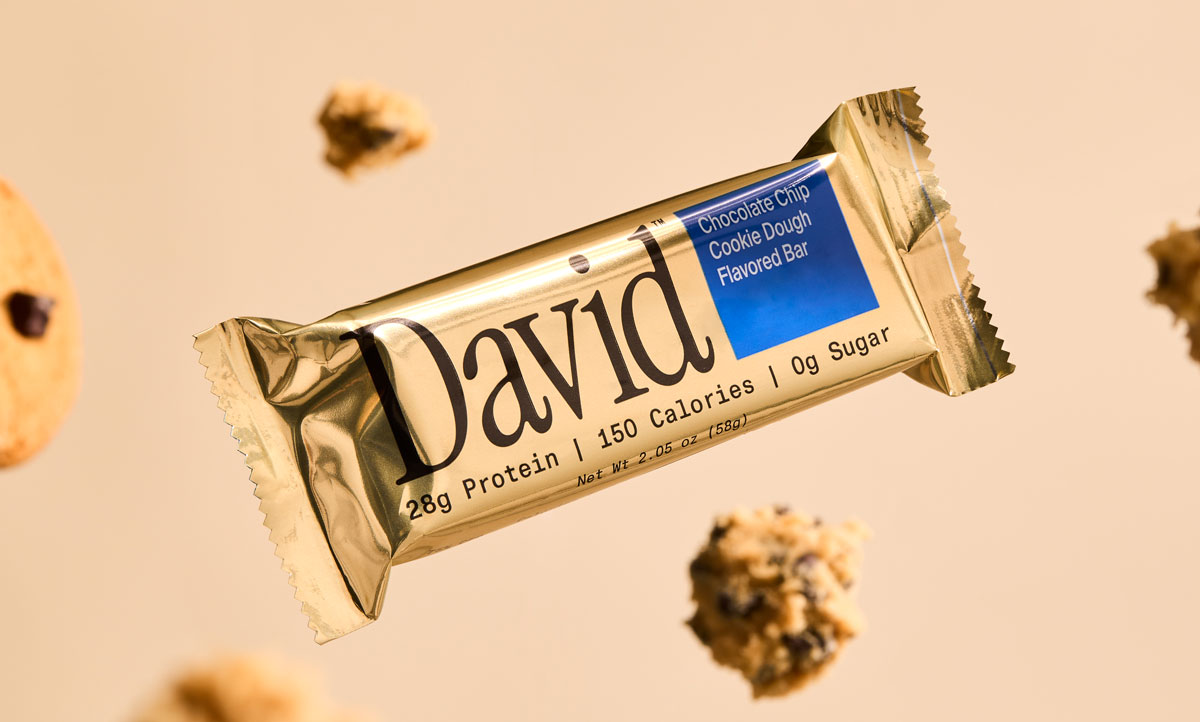
It is incredibly frustrating to finish a workout or hit the mid-afternoon slump, reach for a protein bar marketed as a "clean" fuel source, and later realize you basically just ate a candy bar with a scoop of whey thrown in. We have all been conditioned by sleek packaging and bold "20g Protein!" claims to believe these bars are the ultimate health hack. But the reality of what binds those ingredients together is often much less nutritious.
While protein is essential, the blunt truth is that many popular bars are highly engineered chemical products. Here is how to look past the marketing and understand what you are actually putting into your body.
The NOVA 4 Reality Check
Most commercial protein bars are textbook examples of NOVA 4 ultra-processed foods. To make isolated protein powder shelf-stable, chewy, and sweet without using actual sugar, manufacturers rely on a heavy dose of industrial chemistry.
The benefits of the high protein content are frequently offset by a cocktail of inflammatory ingredients. Instead of nourishing your body, these bars are packed with artificial sweeteners, cheap palm oil, and synthetic stabilizers that can disrupt your gut microbiome and trigger unexpected blood sugar spikes or digestive crashes.
Decoding the Label Tricks
Food companies are masters of disguise when it comes to ingredient lists. Here are the most common tricks they use to make a highly processed bar look healthy:
- "Net Carbs" Math: Brands subtract fiber and sugar alcohols from the total carbohydrates to advertise an artificially low number. However, high doses of sugar alcohols (like erythritol or maltitol) frequently cause severe bloating and gas.
- Protein Isolates Over Whole Foods: You will often see "soy protein isolate" or "whey protein isolate." These are heavily processed extractions stripped of the naturally occurring nutrients found in whole-food protein sources.
- Hidden Syrups and Binders: To hold powdery isolates together, bars are pumped with industrial binders like soluble corn fiber or glycerin, which are far removed from real, whole foods.
The Protein Bar Showdown: What to Look For
Not all bars are created equal. Here is a quick look at how different profiles stack up when you look past the front wrapper:
| Bar Profile & Examples | What’s Actually Inside | The Verdict |
|---|---|---|
| Traditional Low-Carb (e.g., Quest) | Protein isolates, sucralose, sugar alcohols, palm oil. | Highly Processed. Hard on digestion; packed with synthetic additives. |
| "Candy-Style" (e.g., Clif Builder's) | High added sugars, soy isolate, fractionated oils. | Glorified Candy. High sugar/processing; leads to rapid crashes. |
| Whole Food (e.g., RXBAR, LaraBar) | Egg whites, dates, nuts, spices. No artificial sweeteners. | Safer Choice. Recognizable, minimally processed ingredients. |
Scan for the Full Picture with Allergify
Standing in the supplement aisle trying to mentally calculate net carbs and decode chemical binders is the last thing you want to do when you are hungry. The Allergify app strips away the misleading marketing in seconds.
Full Content Analysis
When you scan a barcode, Allergify evaluates the product's NOVA level, alerts you to gut-disrupting sugar alcohols, and flags hidden contaminants like palm oil instantly.
